Contemplative Prayer
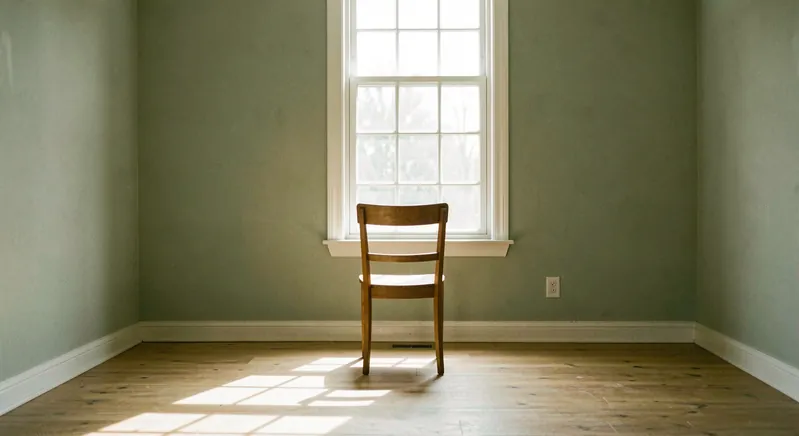
Contemplative prayer is the tradition's shortest description of a simple thing: time spent with God in silence, without words doing the work. It has been practiced under various names since the desert monasteries of the fourth century, and in the last fifty years it has moved from the cloister to ordinary parish halls and bedrooms. This page explains what contemplative prayer is in the Christian tradition, how it differs from the prayer most people were taught as children, and a plain method for beginning with twenty quiet minutes a day.
What the words mean
The tradition distinguishes two broad kinds of prayer by their direction. Discursive prayer is active: thinking, speaking, imagining, asking, examining. A person reading scripture and reflecting on it, or reciting the psalms, or asking for a friend's healing, is praying discursively. Contemplative prayer is receptive: the words stop, and the person remains present and attentive, trusting that communion does not require commentary. Neither replaces the other. The classic image is breathing: discursive prayer is the breath in, contemplative prayer the breath held and released. The point of the distinction is not rank but rhythm, and most praying people move between the two without noticing.
Where the practice comes from
The lineage is long and specific. The desert fathers and mothers of fourth-century Egypt practiced pure attention as the heart of the monk's life. The anonymous fourteenth-century English text known as The Cloud of Unknowing taught a short word repeated in love as the way to pray beyond thought. Teresa of Avila described prayer as nothing else than friendliness, frequent solitary converse with Him who we know loves us, and John of the Cross stripped the same territory to its essentials. In the twentieth century the practice was re-taught to laypeople by movements including the Centering Prayer tradition of Thomas Keating and the World Community for Christian Meditation descended from John Main. Retreat congregations such as the Cenacle Sisters made the same silence the core of the retreats they offered to ordinary Catholics.
A plain method for twenty minutes
The method below is deliberately minimal, in the spirit of the tradition's shortest instructions. Choose a time, ideally the same each day, and a place where twenty minutes will not be interrupted. Sit comfortably upright, feet on the floor, hands in the lap. Choose a prayer word of one or two syllables, something from the tradition: Abba, Jesus, mercy, peace. Close the eyes, and silently say the word once. When thoughts arrive, and they will arrive constantly, return to the word without judging the thought or the self that produced it. That return, repeated a few hundred times in twenty minutes, is the entire practice. End with a slow Our Father or a moment of gratitude, and get up. Twenty minutes daily beats sixty minutes occasionally by any measure the tradition offers.
What to expect, honestly
The first weeks are mostly distraction. Plans, memories, fragments of songs, itches. This is normal and is not failure; the tradition treats the noticing of distraction as the very muscle being trained. Some days carry a settled quiet, and the temptation then is to grade the session as good, which is the same mistake in a finer form. Contemplative prayer is measured by fidelity, not by feeling. Directors in the tradition compare it to planting: the gardener waters, and the growth happens out of sight. Readers who want companionship in the practice will find the tradition's own answer on the page about spiritual direction.
Common obstacles and their ordinary remedies
Sleepiness shortens many first attempts; the remedies are a less comfortable chair, an earlier hour, or a shorter session kept honestly. Restlessness, the sense that this is wasted time, is best met by shortening the ambition rather than abandoning the sitting. A wandering mind after a day of screens responds to a transition ritual: three slow breaths, or a psalm verse read aloud once. Guilt about a missed week is discarded on arrival; the practice resumes where it left off. Nothing in the tradition requires a visa of previous holiness.
Prayer of the heart and the body
Contemplative prayer is not only a mental act. Posture participates: sitting still is itself a decision of the whole person. Breathing can be allowed to settle without being controlled. Some practitioners walk their prayer instead, using the slow circuits of a labyrinth as described in the guide to labyrinth walking, and the tradition accepts this fully; the body praying is still prayer. On retreat, the alternation of sitting and walking is the standard architecture of a day, as shown in what a residential retreat includes.
How retreat deepens the practice
Twenty minutes a day at home and a silent weekend are the same practice at different depths. On retreat the silence stretches across meals and corridors, and the settled attention that takes weeks to reach at home sometimes arrives by the second day. Many retreatants make their first serious attempt at contemplative prayer on a retreat, then carry the method home; the silent retreat guide describes the container, and the weekend retreat guide the most common first container of all.
A beginning, not a curriculum
No book, including this page, can substitute for the practice itself, and the tradition is unanimous that grace does the work. Begin with twenty minutes, keep the word, return without commentary, and let the months say what the minutes cannot.
Further reading: the Contemplative Outreach tradition of centering prayer offers free guidance, group practice and retreats for beginners.