Retreats
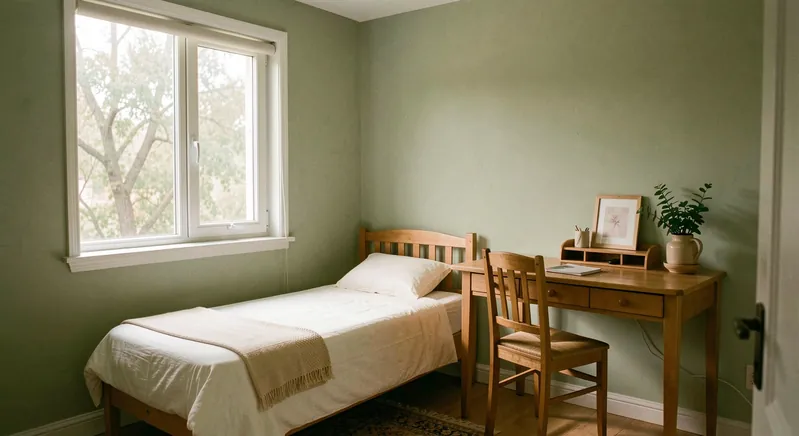
Retreat is an old word for a simple arrangement: time set aside, in a place arranged for quiet, so that prayer and reflection can happen without the ordinary competition for attention. Over more than a century the retreat-house tradition has settled into a small number of dependable formats, each answering a different need. This section of the site explains those formats plainly, from the silent retreat to the day of prayer, and helps a reader work out which one fits a first visit.
The formats at a glance
Four formats cover most of what retreat houses in the Catholic and ecumenical tradition offer. A silent retreat keeps the house quiet for the length of the stay and suits a person who wants depth over structure. A weekend retreat runs Friday evening to Sunday afternoon, usually around a preached theme, and is the most common first retreat. A personal retreat hands the timetable to the retreatant, who uses the house as a place of quiet. A day of prayer compresses the pattern into a single morning and afternoon, with talks, lunch and quiet time.
What all formats share
Whatever the format, the material frame is stable: a simple private room, meals at fixed hours, a chapel, grounds for walking and someone responsible for the program. The page describing what a residential retreat includes walks through that shared frame day by day, from arrival to departure. Understanding the frame first makes the differences between formats easier to judge.
How to choose a first retreat
Three questions usually settle the choice. How long can the person realistically be away? A day is the smallest unit that gives the experience; a weekend is the classic entry; a week suits a settled intention. How much silence is wanted? Full silence is a discipline, and houses generally recommend a shorter or partly silent first retreat. How much structure is wanted? A preached weekend gives talks and a group; a directed retreat gives a daily one-to-one meeting with a spiritual director; a personal retreat gives neither and asks the retreatant to carry the plan.
Preached, directed and private
Most weekend retreats are preached: a speaker gives several conferences on a theme such as forgiveness, vocation or the liturgical season. Directed retreats keep silence and pair each retreatant with a director who suggests scripture and listens each day; the practice of meeting a director regularly is explained on the page about spiritual direction and the Spiritual Direction Institute. Private retreats leave everything open, and the guide to planning a personal retreat gives that format a working timetable so the open time does not drift.
What retreat is not
A retreat is not a workshop, a holiday or therapy, though it can rest a person as deeply as any of them. Nothing is produced, no certificate is earned, and the measure of the time is attention rather than achievement. Retreat houses keep their prices deliberately modest, historically as a suggested offering rather than a fee, so that money does not decide who may come.
Where the formats came from in Houston
Houston knew all of these formats through the Cenacle Retreat House at 420 N. Kirkwood Road, where the Cenacle Sisters received guests for decades until the house closed in 2020. Its story, from the Scanlan House beginnings in 1955 to Hurricane Harvey and the founding of Emmaus Spirituality Center, is told in the history section. The retreat tradition in the city continues, and the guide to retreat centers in Houston and across Texas explains how to find and evaluate a house today.
The house that carried this tradition in Houston continues its ministries today as Emmaus Spirituality Center.